


We respect your identity
An effective treatment for facial lifting in Marbella
A lifting facial in Marbella is a cosmetic surgery procedure designed to correct sagging and excess skin on the face. At Marbella Facelift, we perform facial lifting treatments in Marbella with a personalized medical approach, aiming to tighten the skin, redefine the facial contour, and achieve a rejuvenated and natural appearance without losing expression.
The procedure explained
A lifting facial in Marbella is a surgical procedure that removes excess skin and tightens the deeper facial tissues that lose firmness over time. This facial lifting treatment in Marbella significantly improves sagging and restores a younger, more refreshed appearance.
The main objective of a lifting facial in Marbella is to tighten the skin, redefine facial contours, and correct sagging while preserving the patient’s natural expression and identity.
A lifting facial primarily addresses:
- Cheeks
- Jawline
- Facial contour
- Sagging facial skin
Additionally, a facial lifting treatment can improve the appearance of the neck and the lower third of the face.
A lifting facial focuses on tightening the skin and deeper facial tissues, whereas full facial rejuvenation involves a combination of procedures to treat multiple areas of the face in a more comprehensive way.
Who performs your surgery
Plastic surgeons specialized in facelift surgery
In facial surgery, who operates on you matters more than where the operation takes place. A facelift requires deep anatomical knowledge of the SMAS system, aesthetic judgement shaped by thousands of procedures, and a technique that cannot be learned in a weekend course. At Marbella Facelift you are operated on by two board-certified plastic surgeons, fully registered in Spain and with ongoing hospital practice.
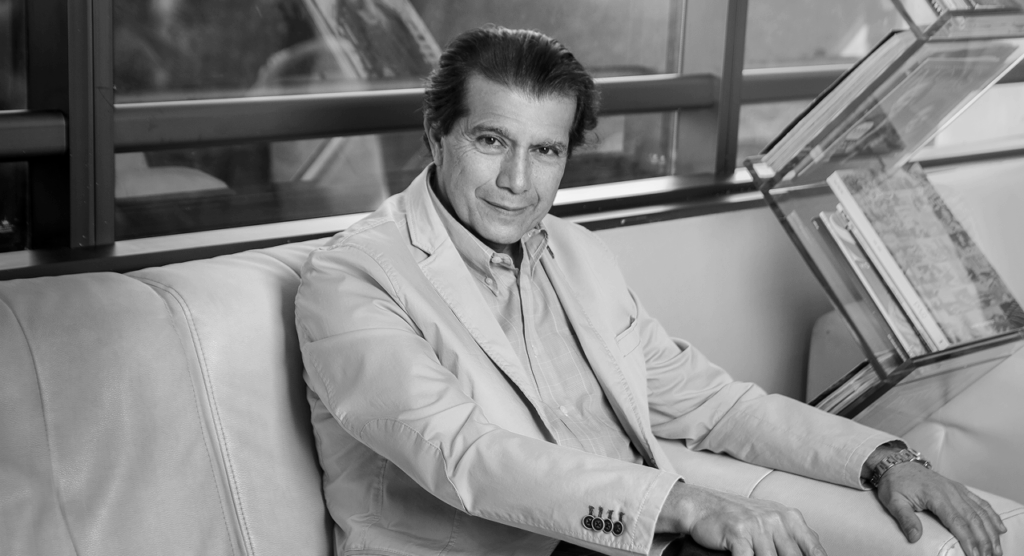
Dr. Héctor Valdés — Plastic and reconstructive surgeon
Dr. Héctor Valdés (Santiago de Chile, 1959), Medical License Nº 282852313 (ICOMEM, Madrid Medical Council), is a plastic and reconstructive surgeon with over 25 years of international surgical experience and more than 16,000 procedures performed. Trained in Brazil under the mentorship of legendary surgeon Ivo Pitanguy in Rio de Janeiro, he combines Latin American artistic sensitivity with European precision. He is a member of the medical staff at HC Marbella International Hospital and founder of Marbella Facelift.
Education and credentials
Medical degree and Doctor in Surgery — Universidad de Chile Specialist in Plastic and Reconstructive Surgery — Rio de Janeiro, Brazil Board certification — Sociedade Brasileira de Cirurgia Plástica (SBCP) Master’s degree in Surgery — Universidad de Valencia, Spain Master’s degree in Aesthetic Medicine — Universidad Rey Juan Carlos, Madrid
Professional memberships
Sociedade Brasileira de Cirurgia Plástica (SBCP) International Society of Aesthetic Plastic Surgery (ISAPS) Sociedad Española de Cirugía Estética (SECE) Sociedad Española de Medicina Estética (SEME) Honorary Member, Pan-American Chapter of Aesthetic Medicine
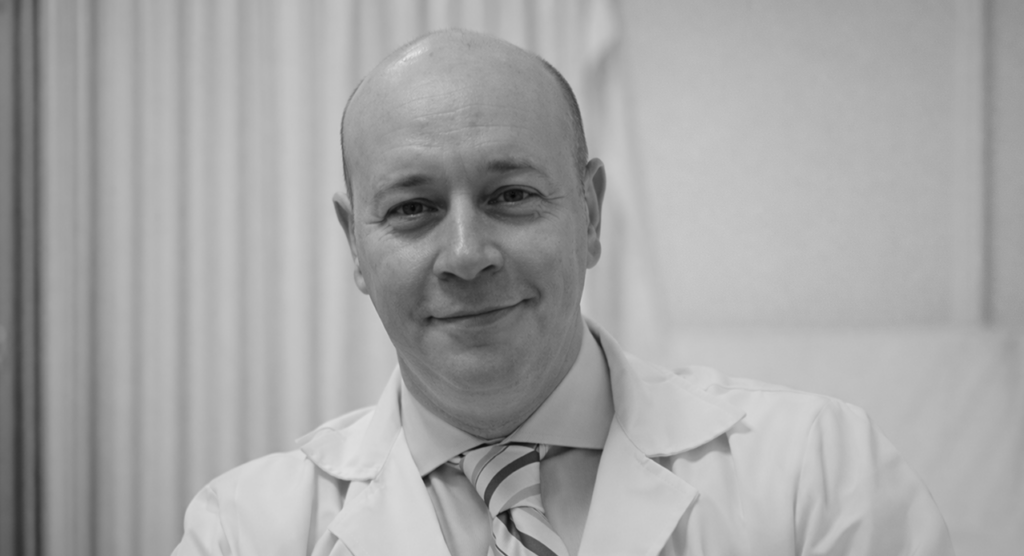
Dr. Alfonso Vallejo Valero — Plastic, aesthetic and reconstructive surgeon
Dr. Alfonso Vallejo Valero, Medical License Nº 282851527 (ICOMEM, Madrid Medical Council), is a board-certified plastic, aesthetic and reconstructive surgeon. Trained via the Spanish MIR residency system at Hospital Universitario de Getafe (Madrid), he combines rigorous academic credentials — including a PhD in Medicine with highest honors (Sobresaliente Cum Laude) — with extensive clinical experience at Hospital General Universitario Gregorio Marañón, one of Spain’s leading public hospitals, where he remains in active practice alongside his work at Marbella Facelift.
Education and credentials
Medical degree (Licenciado en Medicina y Cirugía) — Universidad de Alcalá de Henares, Madrid (1994) Specialist in Plastic, Aesthetic and Reconstructive Surgery (MIR) — Hospital Universitario de Getafe, Madrid (2003) PhD in Medicine, Sobresaliente Cum Laude — Universidad de Alcalá (2005) Master’s degree in Aesthetic Medicine and Anti-Aging — Universidad Complutense de Madrid
Professional memberships
SECPRE — Spanish Society of Plastic, Reconstructive and Aesthetic Surgery Ilustre Colegio Oficial de Médicos de Madrid (ICOMEM) Hospital General Universitario Gregorio Marañón — Plastic and Reconstructive Surgery Department (active staff)
Who is a lifting facial in Marbella suitable for?
This treatment is indicated for men and women who have facial sagging and wish to effectively and lastingly tighten their facial skin.
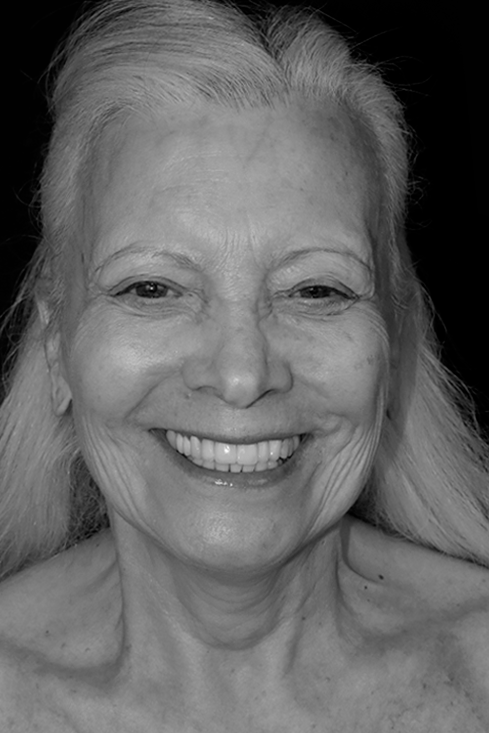
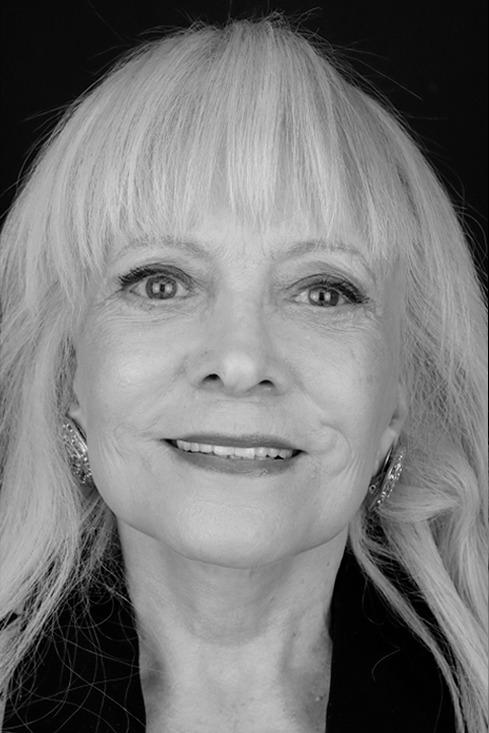
OUR BEFORE AND AFTER FACELIFT SURGERIES
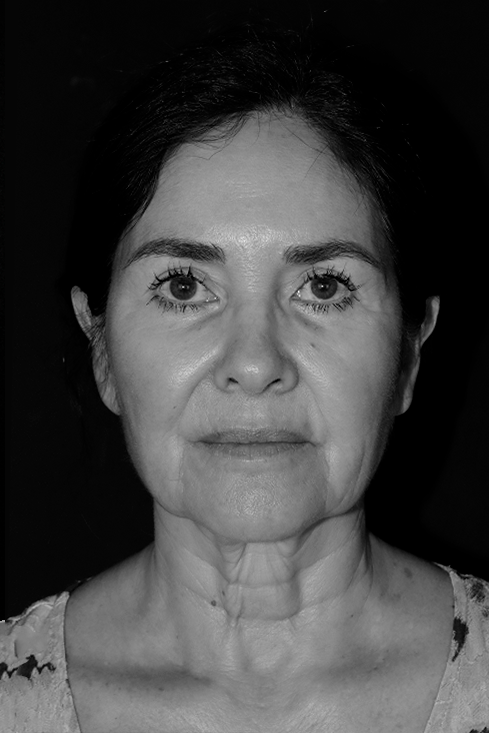
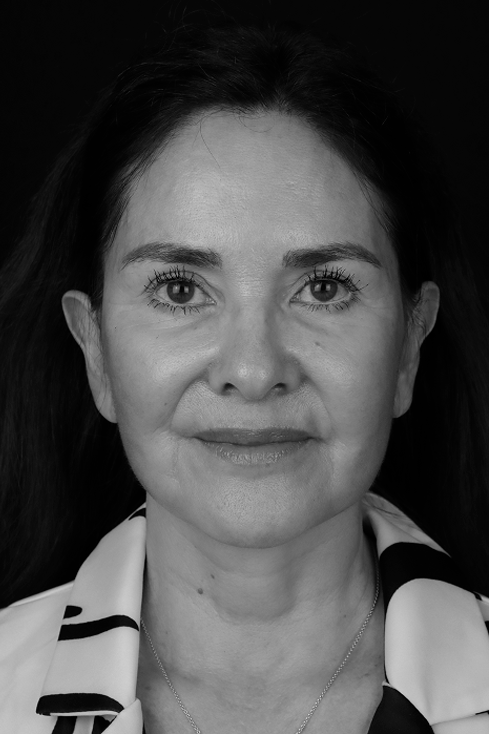
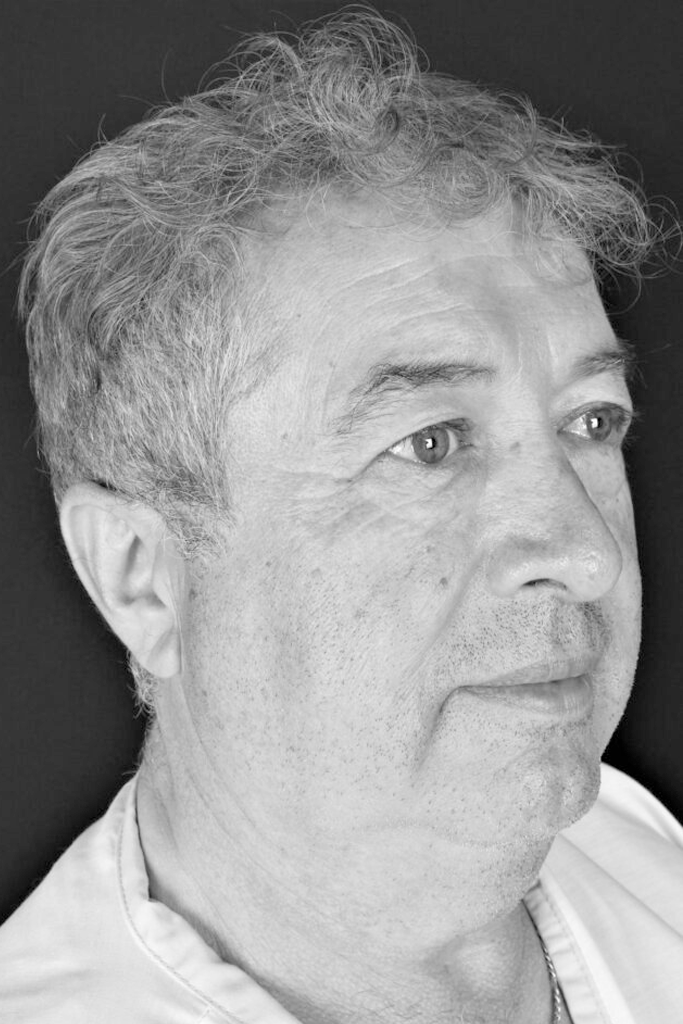
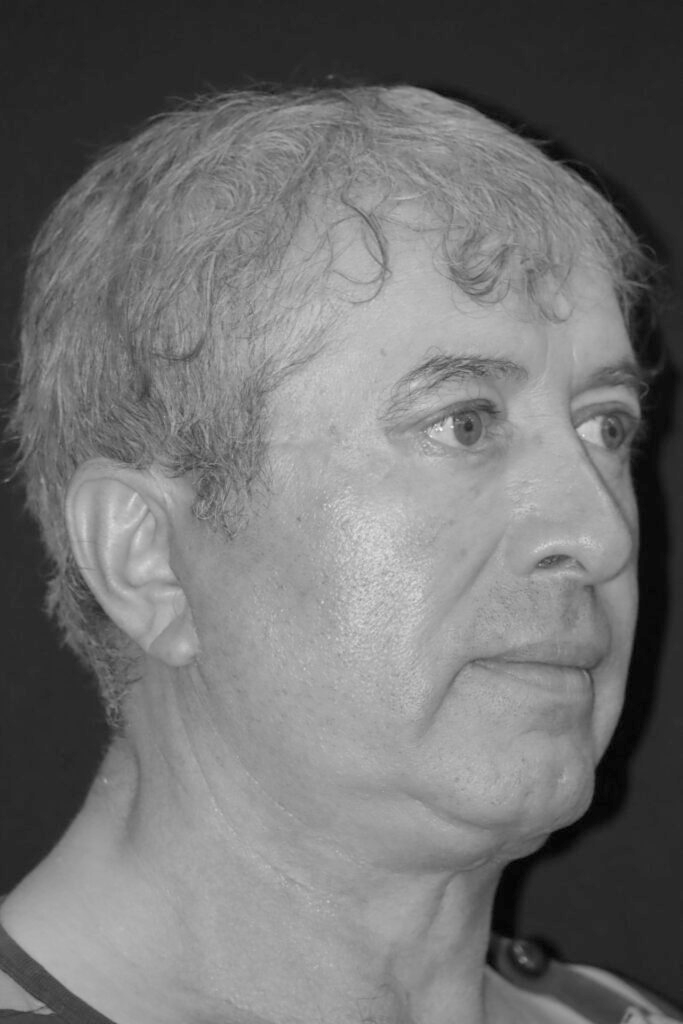
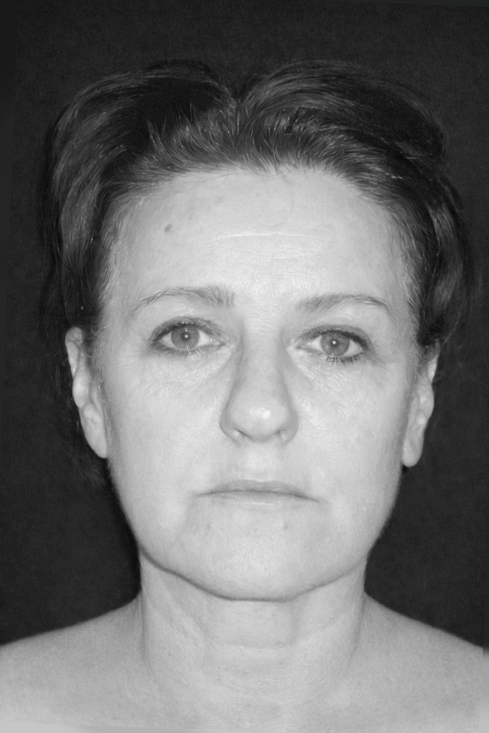
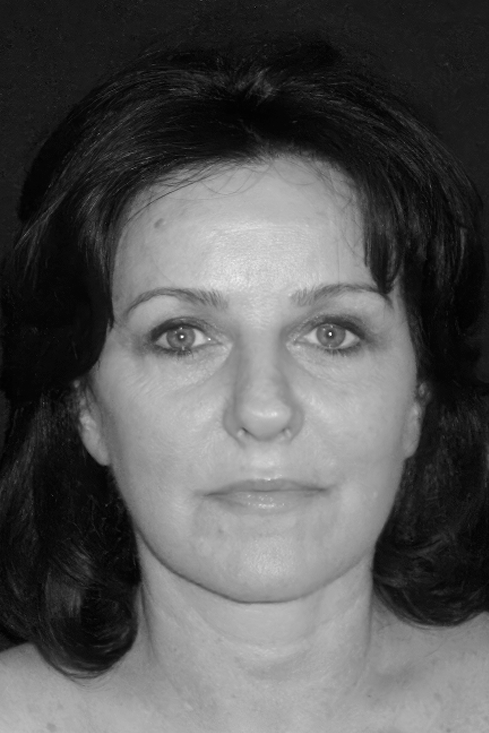
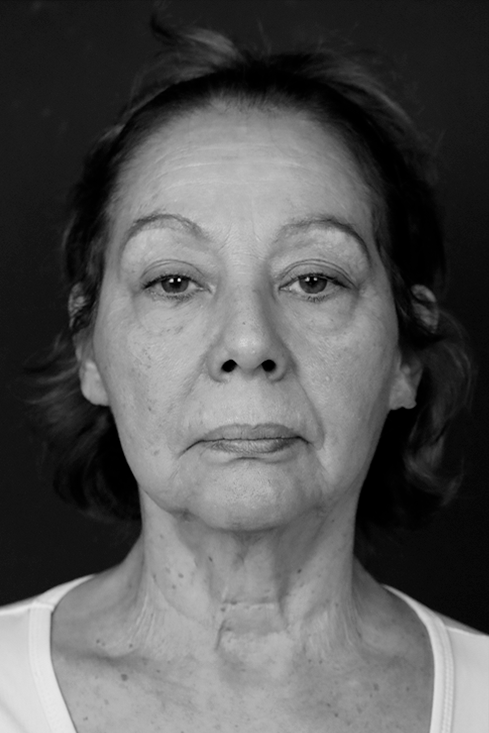
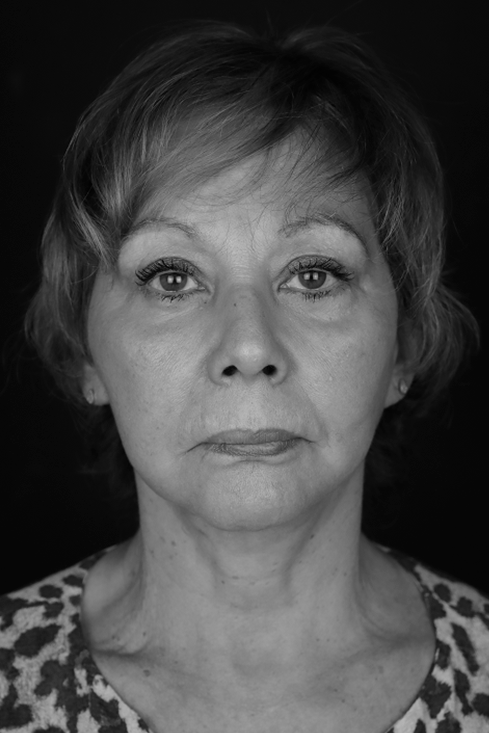
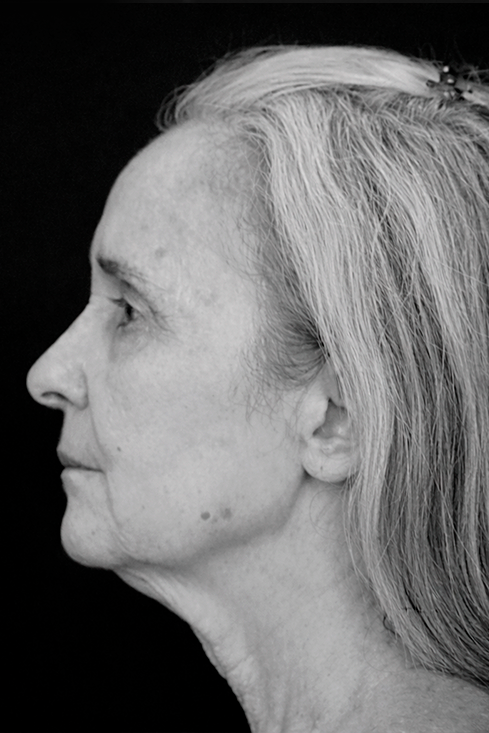
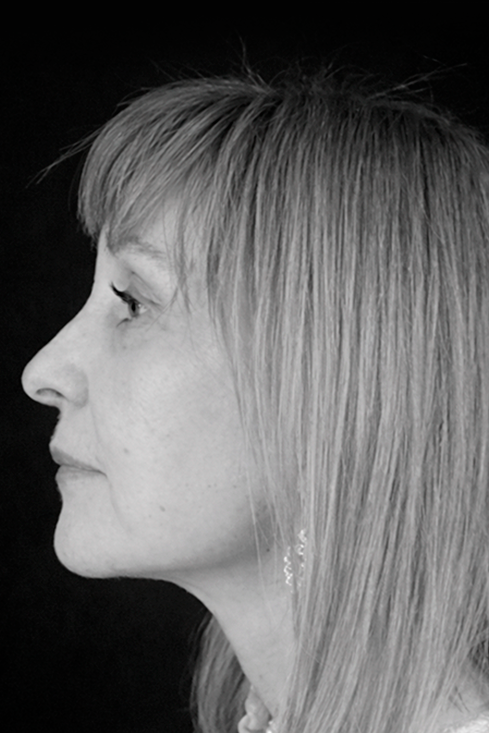
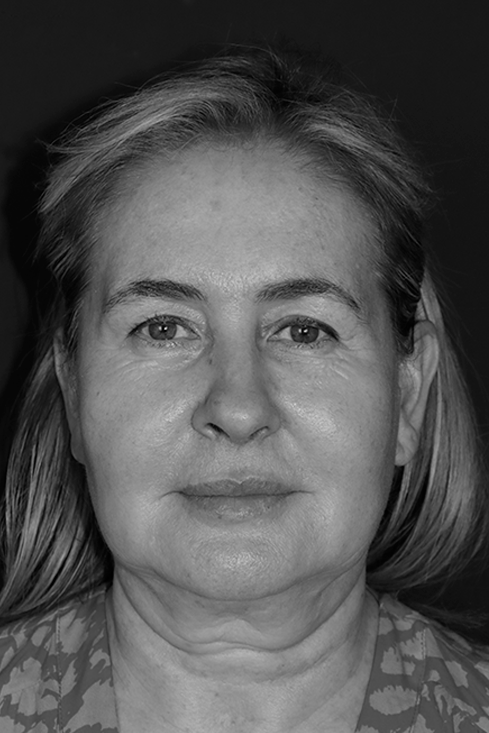
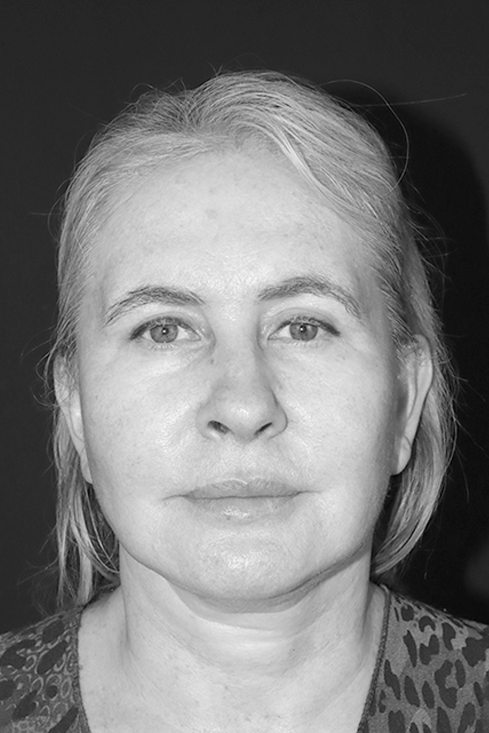
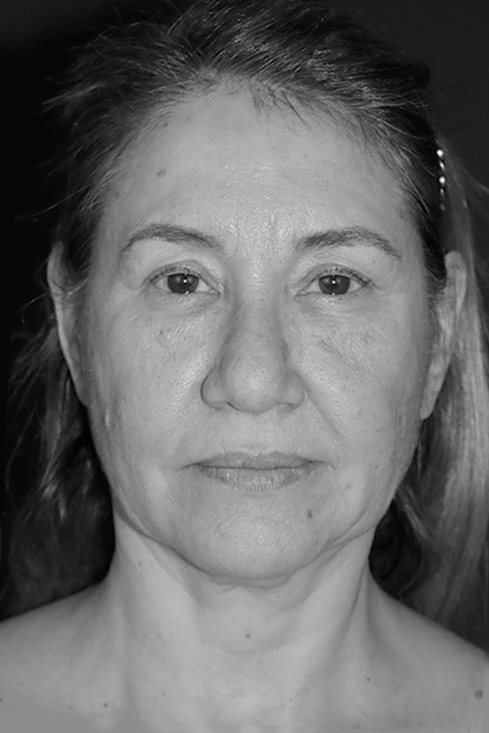
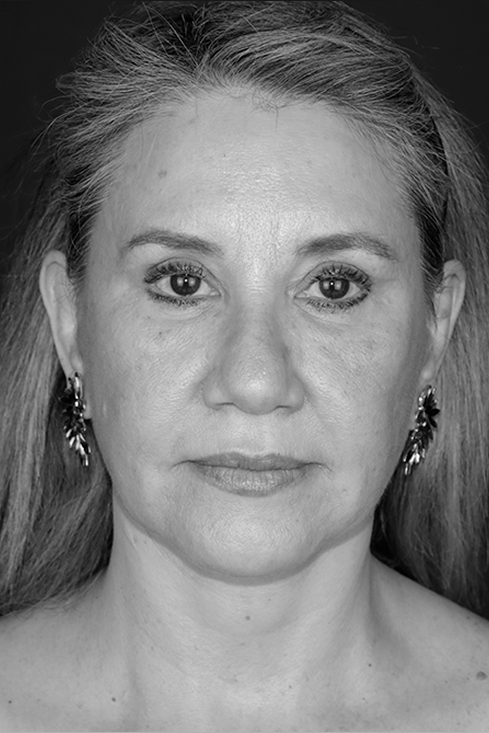
How a Lifting Facial in Marbella Works
A lifting facial is a safe and effective surgical procedure when performed by specialists in facial cosmetic surgery.

Surgical techniques used in our clinic
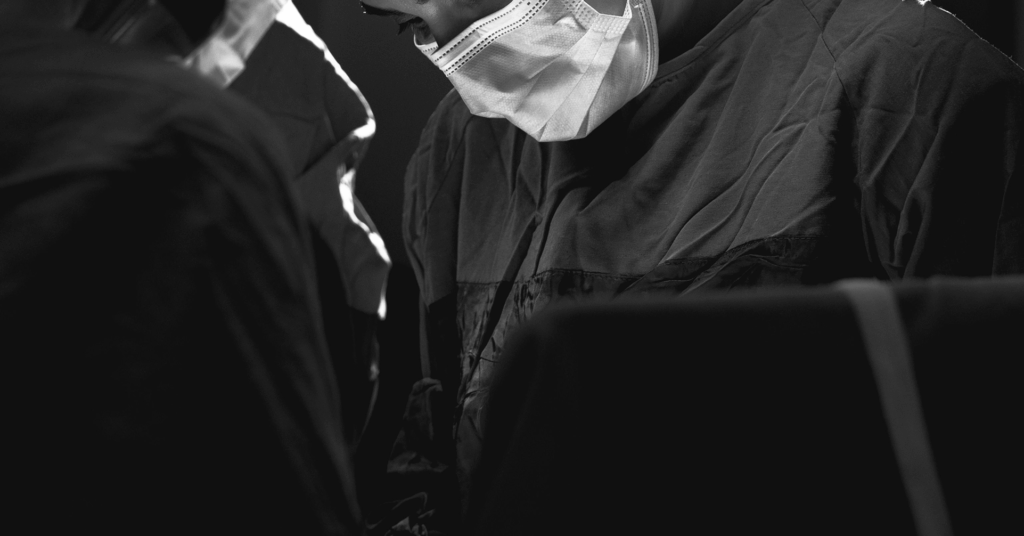
At Facelift Marbella, we use advanced facelift techniques tailored to each patient, selected after a detailed study of the face and skin.
Type of anaesthesia
The procedure is usually performed under general anaesthesia or local anaesthesia with sedation, depending on the case.

Duration of the procedure
The approximate duration of a facelift is usually between 2 and 3 hours, depending on the technique used.
Facelift techniques we use at Marbella Facelift
Not every face needs the same surgical approach. The technique is chosen after a personal assessment of the skin laxity, the position of the deep tissues (SMAS), and the patient’s goals. The aim is always the same: a natural, long-lasting result that respects the patient’s identity.
1
2
3
4
Follow us on our social media channels

Recovery week by week: what to expect after a facelift
Recovery from a facelift is progressive and predictable when followed under proper medical supervision. Knowing what happens at each stage helps you plan your time off, your social calendar and your expectations. This is the timeline our patients typically follow at Marbella Facelift.
Frequently asked questions about our treatments
A facelift (rhytidectomy) is an aesthetic surgical procedure that repositions the deep tissues of the face and neck, removes excess skin and redefines the facial contour. Unlike superficial treatments, it acts on the SMAS system (the subcutaneous muscular layer), allowing natural and long-lasting results without a tight or artificial appearance. The incisions are placed strategically around the ear and within the hairline, so they remain practically imperceptible.
A facelift procedure takes approximately 2 to 4 hours, depending on the techniques applied and whether it is combined with other procedures such as blepharoplasty or a neck lift. It is typically performed under general anaesthesia or local anaesthesia with deep sedation, always in a hospital setting. At Marbella Facelift we operate at HC Marbella International Hospital, with a one-night hospital stay for postoperative monitoring.
The price of a facelift in Marbella depends on the extent of the procedure, the surgical techniques used and whether it is combined with other interventions (neck lift, blepharoplasty, facial lipofilling). As a general reference, a full facelift performed by a qualified plastic surgeon in Marbella usually ranges between €8,000 and €14,000. A detailed and personalised quotation is prepared during the first consultation, following the medical assessment.
The first week requires home rest, with visible swelling and bruising that gradually subside. Stitches are usually removed around the tenth day, and most patients resume their social life after 2-3 weeks. Intense sports activity is recommended only from the fourth week onwards. The final result becomes apparent at 3 to 6 months, once the tissues have fully stabilised. Follow-up visits are scheduled at one week, one month, six months and one year.
How to get to our facelift clinic facelift in Marbella
Puerto Banús: Just 10 minutes by car, via the A-7 toward Málaga. We have private parking for our patients.
Benahavís: Easy access via the Ronda road (A-7175) in approximately 20 minutes.
Sotogrande: Direct connection via the AP-7 in less than 45 minutes, ideal for those coming from Cádiz or Gibraltar.