Searching for facelift price is common when someone starts considering facial rejuvenation surgery and wants to understand whether the cost fits their expectations. However, the price of a facelift does not depend only on “tightening the skin”. It is influenced by the surgical technique, the degree of facial laxity, the areas treated, the type of anaesthesia, the operating theatre, postoperative follow-up and the surgeon’s experience.
In 2026, facelift prices can vary significantly from one patient to another because not everyone needs the same procedure. A mini facelift, a full cervicofacial facelift or a combined surgery including the neck, eyelids or fat transfer will have different costs. This guide explains realistic price ranges, what is usually included in the quote and which factors should be reviewed before making a decision.
What is a facelift and what does it correct?
A facelift, also known as rhytidectomy, is a cosmetic surgical procedure designed to reposition facial tissues and improve facial sagging. Its goal should not be to change the expression or create an overly tight appearance, but to restore a more rested and natural look by treating areas such as the cheeks, jawline, neck and lower third of the face.
Modern facelift techniques do not rely only on removing excess skin. In many cases, deeper facial layers are treated, such as the superficial musculoaponeurotic system, known as the SMAS. Repositioning these deeper structures can reduce tension on the skin and help achieve a more stable and natural-looking result.
The indication depends on biological age, skin quality, facial volume loss, neck laxity, facial folds and the patient’s expectations. Two people of the same age may require very different approaches, which is why the final price can only be estimated accurately after an individual medical assessment.
Factors that influence the price of a facelift
The cost of a facelift varies because each surgery requires a different plan. The extent of the procedure is one of the most important factors. Treating only the lower face is not the same as addressing the face, neck, jowls and jawline in a more complete intervention.
The technique used also affects the price. A more limited facelift usually requires less surgical time, while a deep-plane or full cervicofacial facelift can be more complex and require more resources. Anaesthesia, operating theatre time, the medical team, preoperative tests and possible clinic stay can also influence the final quote.
Another relevant factor is whether additional procedures are performed at the same time. It is common to assess a facelift together with eyelid surgery, facial fat transfer, neck lift or skin-quality treatments. This may increase the total cost, but it can also avoid separate procedures when there is a coherent medical and aesthetic indication.
- Type of facelift: mini facelift, lower facelift, neck lift or full cervicofacial facelift.
- Case complexity: degree of sagging, previous surgery, skin quality and asymmetries.
- Operating time: the more extensive the surgery, the higher the cost usually is.
- Anaesthesia: local anaesthesia with sedation or general anaesthesia, depending on the case.
- Surgical facility: authorised setting, equipment, safety standards and postoperative care.
- Associated treatments: eyelid surgery, fat transfer, neck treatment, jowls or previous scar revision.
When researching Facelift Marbella, it is important to look beyond the price and understand which technique is proposed, what the quote includes and what type of follow-up is provided after surgery.
How much does a facelift cost in 2026?
In 2026, the price of a facelift in Spain can generally range from €5,000 to €12,000 in many cases, although it may be higher for more complex, combined or advanced procedures. These figures are only approximate and should not be understood as fixed rates. Prices may vary depending on the city, clinic, anaesthesia, operating room, surgeon’s experience and the patient’s specific needs.
The quote should always be reviewed carefully. A very low price may not include anaesthesia, operating theatre fees, follow-up appointments, postoperative garments or preoperative tests. On the other hand, a higher price may reflect greater technical complexity, longer operating time or several concepts included in the same surgical plan.
Full facelift price
A full facelift or cervicofacial facelift usually treats both the face and neck, especially when there is significant sagging along the jawline, drooping cheeks, jowls or visible neck bands. As a general reference, the price may range from €7,000 to €14,000, although complex or combined cases may exceed this range.
This type of surgery usually requires more operating time, a more complete anaesthetic plan and careful postoperative follow-up. The cost may increase if additional procedures are added, such as eyelid surgery, facial fat transfer or revision of previous scars.
Mini facelift price
A mini facelift is usually indicated for patients with mild to moderate laxity, especially in the jawline and lower face. It is not a substitute for a full facelift when there is significant excess skin or advanced neck sagging.
As an approximate range, a mini facelift may cost between €4,000 and €8,000, depending on the technique, anaesthesia, duration and follow-up included. Although it is called “mini”, it is still surgery and should follow the same safety, indication and planning standards as any facial surgical procedure.
What is usually included in a facelift quote
A facelift quote should be clear and detailed. The patient should know whether the price includes only the surgical fees or whether it also covers anaesthesia, operating theatre use, medical materials, postoperative reviews, wound care, initial medication, compression garments and possible follow-up visits.
In many cases, the budget includes the first consultation, surgical planning, the surgeon’s fees, the anaesthesia team, operating theatre use, surgical materials and several postoperative appointments. However, this is not the same in every clinic, so it is important to ask before comparing prices.
It is also useful to know what happens if an additional review, dressing change or urgent assessment is needed during recovery. Facial surgery does not end when the patient leaves the operating room. Follow-up care is an essential part of both safety and final results.
- Consultation and diagnosis: facial assessment, expectations, medical history and explanation of the technique.
- Preoperative tests: blood tests, ECG or other tests depending on age and health status.
- Medical fees: surgeon, assistants and anaesthesia team.
- Operating room and materials: authorised surgical facilities and medical resources.
- Follow-up: postoperative visits, stitch removal, scar control and evolution monitoring.
- Possible extras: garments, medication, clinic stay or complementary treatments.
In broader searches for Cosmetic Surgery Marbella, this breakdown helps compare quotes more accurately, because two similar prices may include very different services.
What alternatives are there to a facelift and how much do they cost?
Not every patient asking about facelift price necessarily needs surgery. In cases of mild laxity, early skin ageing, loss of brightness or superficial wrinkles, non-surgical treatments may be considered. However, it is important to understand their limits: medical aesthetic treatments can improve skin quality, volume or mild firmness, but they do not reposition descended tissues in the same way surgery does.
Alternatives often have a lower cost per session, but their results are also more limited and usually require maintenance. For this reason, they are not always more economical in the long term if the patient is looking for a structural change.
Non-surgical treatments
Non-surgical treatments may include techniques aimed at improving skin texture, stimulating collagen, restoring volume or softening wrinkles. As a general reference, some treatments may range from €300 to €1,500 per session, depending on the technology, treatment area, number of sessions and professional expertise.
They can be useful for patients with early ageing signs or as a complement before or after surgery, but they should not be presented as direct substitutes for a facelift when there is marked sagging.
Complementary surgical procedures
Some surgical procedures may complement a facelift when there is a clear indication. Eyelid surgery can improve excess skin around the eyes, facial fat transfer can restore selected areas of volume and neck surgery can reinforce the treatment of cervical laxity.
There are also facial procedures that respond to different needs. For example, Otoplasty Marbella may be related to ear aesthetics, but it does not correct facial sagging and does not replace a facelift. Each procedure should be recommended according to anatomy, goals and patient safety.
Tips for choosing a surgeon and assessing value for money
Price matters, but it should not be the only criterion when choosing facial surgery. A poorly indicated or poorly executed facelift, or one without proper follow-up, can end up being more expensive if revision surgery is needed later. In facial cosmetic surgery, value for money should be measured through safety, diagnosis, naturalness, experience and postoperative care.
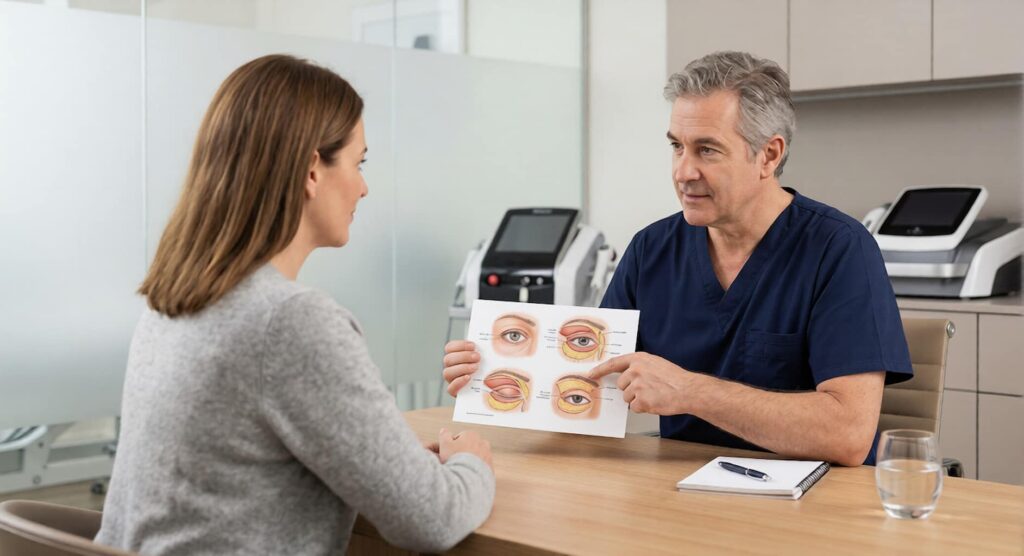
A good consultation should include facial examination, explanation of alternatives, review of medical history, clinical photographs, risk assessment and a personalised proposal. It is also advisable to ask which technique is being recommended, where the surgery will take place, what type of anaesthesia will be used and what recovery will involve.
Be cautious with excessively low quotes, promises of immediate results, lack of preoperative testing or messages that minimise the nature of the surgery. A facelift can provide long-lasting results, but it is still a surgical procedure that requires planning, a safe environment and realistic expectations.
- Check the surgeon’s qualifications and that the surgical facility is authorised.
- Ask exactly what is included in the quote and what is not included.
- Request a clear explanation of risks, scars, anaesthesia and recovery.
- Review realistic clinical photographs, not only highly selected images.
- Avoid choosing based only on discounts, financing or speed.
- Make sure postoperative reviews and follow-up care are included.
In summary, facelift price in 2026 depends on the technique, the extent of the surgery, the type of anaesthesia, the surgical facility and the patient’s needs. As a general reference, a mini facelift may range from €4,000 to €8,000, while a full facelift may range from €7,000 to €14,000 or more in complex cases. Comparing quotes makes sense, but only when you know what each one includes and when safety, natural results and individual medical assessment remain the priority.