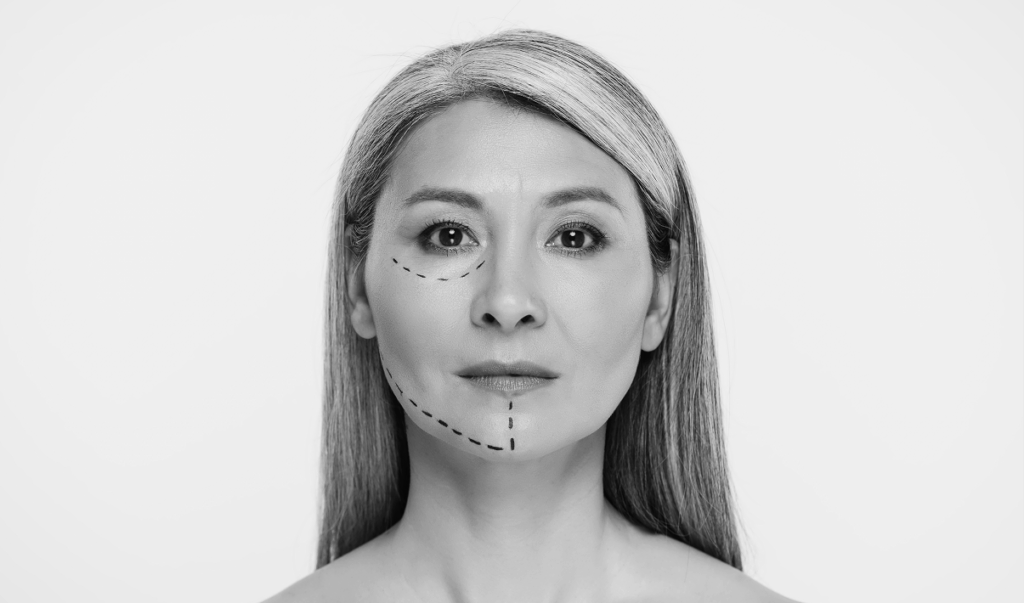
A poorly done facelift can cause aesthetic concerns, physical discomfort and many doubts about whether the result will improve over time or whether a correction will be needed. However, before drawing conclusions, it is important to distinguish between a normal recovery process, a postoperative complication and a truly unsatisfactory surgical result.
After a facelift, swelling, tightness, altered sensitivity, bruising and mild temporary asymmetry are common during the first few weeks. However, when the face looks excessively tight, unnatural, visibly scarred, persistently irregular or functionally affected, a specialised medical assessment is advisable. This article explains what may be considered a poor facelift result, what consequences it may have and what correction options can be considered safely.
When is a facelift considered poorly done?
A facelift should not be judged definitively in the first few days after surgery. Initial swelling can distort facial appearance and make certain features look more rigid, asymmetrical or tight than they will be once the tissues settle. In many patients, the most visible swelling improves within 2 to 6 weeks, although the final result may continue to evolve for 6 to 12 months. These timeframes are approximate and may vary depending on the technique used, age, skin quality, postoperative care and each patient’s individual healing response.
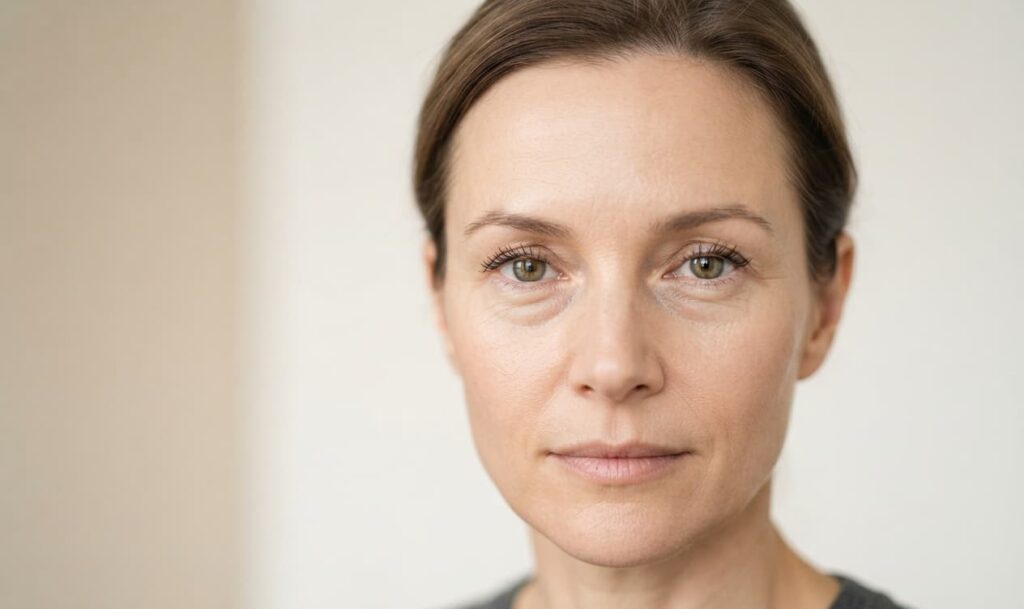
A problematic result may be suspected when, after a reasonable recovery period, signs persist such as an over-pulled face, loss of natural expression, marked asymmetry, visible or poorly positioned scars, pulled earlobes, neck irregularities or an overall lack of facial harmony. Even so, a result that does not meet the patient’s expectations does not always mean surgical negligence. Previous anatomy, healing behaviour, degree of laxity, previous treatments and unrealistic expectations can also influence the final outcome.
For this reason, assessment should be carried out calmly and with clinical criteria. Before-and-after photographs, physical examination, scar evolution and the time elapsed since surgery help distinguish between a result that is still maturing and a problem that may require correction. In searches related to Facelift Marbella, it is advisable to prioritise information that explains technique, safety, recovery and realistic limits, rather than focusing only on striking visual results.
Visible and functional consequences of a poorly done facelift
The consequences of a poorly resolved facelift can affect both appearance and day-to-day comfort. Aesthetic concerns are often the first noticed by the patient. One of the most common issues is a loss of naturalness: the face may look too tight, with hardened features or an expression that no longer matches the person’s usual gestures.
Specific areas may also be affected. Scars can become more visible than expected if they are poorly placed, widened or if the skin does not heal well. Around the ears, excessive tension can change the shape of the earlobe or create an unnatural appearance. In the neck, bands, folds, irregularities or poor jawline definition may remain.
From a functional perspective, some discomfort can be part of the normal recovery process, such as temporary numbness or tightness. However, persistent pain, loss of facial movement, worsening swelling or significant skin changes should be assessed promptly. The goal is not only to improve appearance, but also to confirm that the tissues are healing properly.
The issues that most commonly concern patients include visible asymmetry, excessive tightness, noticeable scars, changes around the ears, neck irregularities and discomfort that does not improve over time. These signs do not always have the same level of severity, but they do justify a review if they persist or worsen.
What warning signs require medical assessment as soon as possible?
After facial surgery, some symptoms should not be ignored. A rapid increase in swelling in the face or neck, severe pain, persistent bleeding, fever, wound discharge, worrying changes in skin colour or sudden loss of facial movement are reasons to contact the medical team or seek urgent evaluation.
One complication that requires particular attention is a hematoma. It may appear as a collection of blood beneath the skin, with swelling, tension, pain and colour changes. Not all hematomas have the same severity, but those that grow quickly or affect the neck should be assessed immediately, as they may compromise recovery and, in serious cases, patient safety.
Any area of skin that becomes very dark, cold, blistered or deteriorates should also be monitored carefully. These changes may indicate compromised skin circulation. Smoking, certain circulatory problems, some medications and excessive skin tension can increase the risk of poor healing or tissue necrosis.
- Sudden, painful or clearly asymmetrical swelling.
- Persistent bleeding or bruising that increases quickly.
- Fever, bad odour, discharge or intense redness around the wound.
- Difficulty breathing, swallowing or opening the mouth normally.
- Loss of strength or movement on one side of the face.
- Dark, blistered or deteriorated areas of skin.
If any of these signs appear, it is not advisable to wait for the problem to resolve on its own. Early medical review can help prevent more serious complications and improve both aesthetic and functional outcomes.
Assessment before correcting a facelift
Correcting a facelift should be approached with caution. In many cases, it is not advisable to operate again until swelling has reduced and the tissues have stabilised. As a general guideline, secondary surgery is often considered after 6 to 12 months, unless a complication requires earlier intervention. This timeframe may vary depending on the original technique, skin quality, scar condition and the specific issue to be corrected.
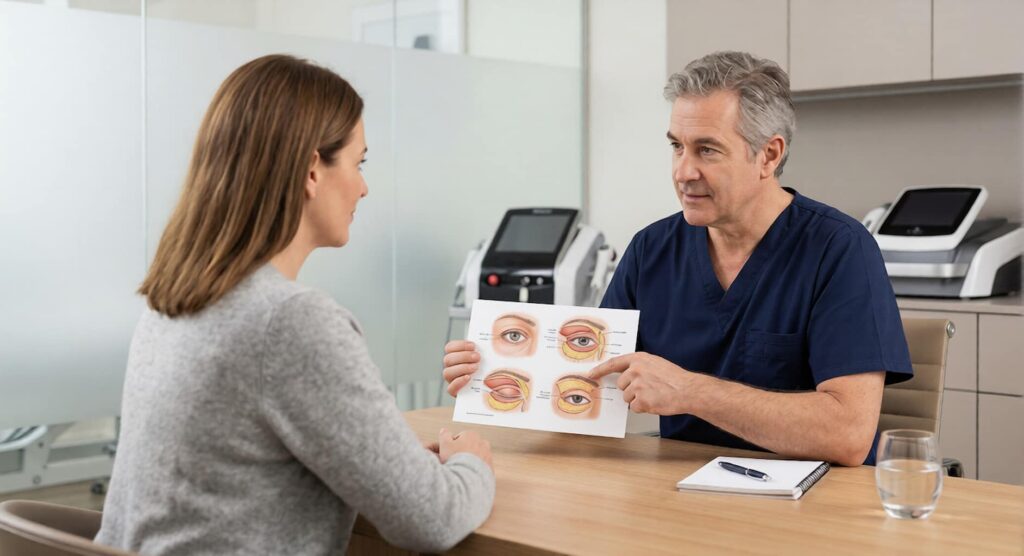
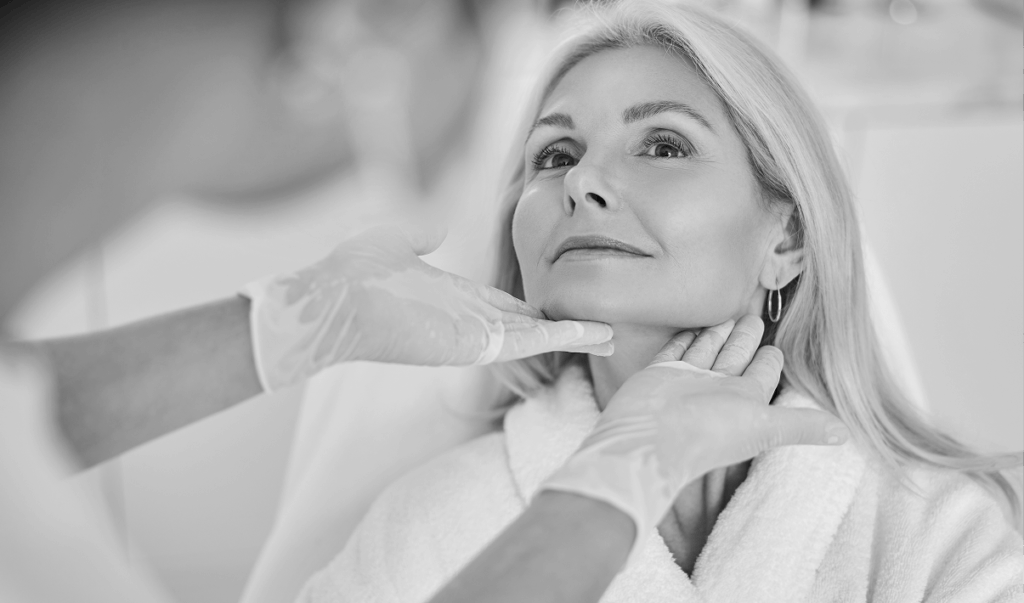
Before deciding on correction, the specialist should assess the face as a whole. It is not enough to look at one scar or one isolated area. The position of deeper tissues, skin tension, symmetry, neck contour, jawline, ears, skin quality and surgical history all need to be evaluated. It is also important to report any previous treatments such as fillers, thread lifts, laser, radiofrequency, biostimulators or earlier surgeries.
This information is essential because secondary surgery is usually more complex than a first facelift. The tissues have already been operated on, internal scar tissue may be present and anatomical planes may have changed. For this reason, the aim is not simply to “repeat” the facelift, but to identify which specific aspects can be improved safely.
When looking for information about Cosmetic Surgery Marbella, it is advisable to pay particular attention to experience in secondary facial surgery, clarity when explaining risks and the ability to set realistic expectations. In these cases, technical caution is just as important as the aesthetic result.
What options are available to correct a poorly done facelift?
There is no single solution for correcting a poorly done facelift. Treatment depends on the main problem, the time elapsed since surgery, the condition of the skin and the patient’s expectations. A visible scar is not corrected in the same way as excessive pulling, neck irregularity or loss of facial naturalness.
When the main concern is scarring, scar revision or medical treatments may be considered to improve texture, colour or thickness. If the problem affects the earlobes or the area around the ears, it may be necessary to release tension and reposition the tissues. In cases where the neck shows bands, folds or poor definition, a specific neck revision may be assessed.
If the problem is caused by an incorrect direction of pull or poor positioning of deeper tissues, correction may require more complex secondary surgery. In these cases, the usual goal is to restore naturalness, improve harmony and avoid creating new artificial tension. It is not always possible to correct everything in a single procedure, and sometimes surgery may need to be combined with complementary treatments for skin quality or scars.
Some patients also ask about the ear area when they notice changes after a facelift. Although searches such as Otoplasty Marbella may be related to ear aesthetics, correcting an earlobe or ear distortion caused by facelift tension is different from a conventional cosmetic otoplasty and should be assessed separately.
Recovery, expectations and prevention before secondary surgery
Recovery after secondary surgery may be slower than after a first facelift. The tissues have already undergone a previous operation and there may be internal scar tissue, reduced elasticity or areas with more delicate blood supply. For this reason, swelling, healing and tissue settling times can vary significantly from one patient to another.
Realistic expectations are essential. Correction does not always mean completely erasing every trace of the previous surgery. It means improving what can be addressed safely. In some cases, the goal may be to soften a scar; in others, to restore naturalness, improve symmetry or reduce excessive tension. The priority should be to avoid an aggressive intervention that increases the risk of further complications.
Preventing a poor facelift result begins before surgery. The patient should receive a clear explanation of the technique, incisions, risks, recovery process, possible limitations and follow-up plan. It is also advisable to review realistic and comparable clinical photographs, rather than making decisions based only on dramatic images, social media or promises of immediate results.
- Confirm the surgeon’s qualifications and that the medical facility is authorised.
- Ask about risks such as hematoma, scarring, asymmetry or altered sensitivity.
- Report smoking, medication, medical conditions and previous aesthetic treatments.
- Avoid making decisions based only on price, speed or unrealistic results.
- Request a clear postoperative plan, including follow-up visits and warning signs.
In summary, a poorly done facelift may appear as loss of naturalness, visible scars, asymmetry, changes around the ears, neck irregularities or persistent discomfort. Some signs can be part of normal recovery, but others require prompt medical assessment. Correction should always be based on an individual diagnosis, cautious timing and realistic expectations, prioritising safety, function and facial naturalness.