The types of bags under the eyes can have different causes: fluid retention, fat accumulation, skin laxity, genetics, tiredness, allergies or natural ageing. Although many people associate them only with poor sleep, not all under-eye bags appear for the same reason or respond to the same approach.
The lower eyelid area is especially delicate because the skin is thin, the supporting tissues are more sensitive to ageing and any change in volume becomes noticeable very easily. That is why even a mild under-eye bag can affect facial expression and create a tired appearance, even when the person is well rested.
In this article, you will learn what types of under-eye bags exist, how to distinguish them from dark circles, which factors usually cause them and when it may be advisable to seek a professional assessment, especially if the swelling appears suddenly, affects only one side or comes with discomfort.
What exactly are bags under the eyes?
Bags under the eyes are a visible change in the lower eyelid area that causes volume, swelling or puffiness beneath the eyes. They can be temporary or persistent, mild or more pronounced, and their origin may be related to the skin, fat, retained fluid or each person’s facial structure.
In many cases, under-eye bags become more noticeable with age. Over time, the tissues that support the eye area may weaken, the skin loses firmness and the fat that normally surrounds the eye can shift towards the lower eyelid. The result is a bulge that does not always disappear with more sleep or topical skincare.
There are also temporary bags that appear due to lack of sleep, excess salt, alcohol, crying, allergies, hormonal changes or fluid retention. These usually vary throughout the day and may improve with rest, local cold application, hydration and healthy habits.
Bags under the eyes and dark circles are not the same
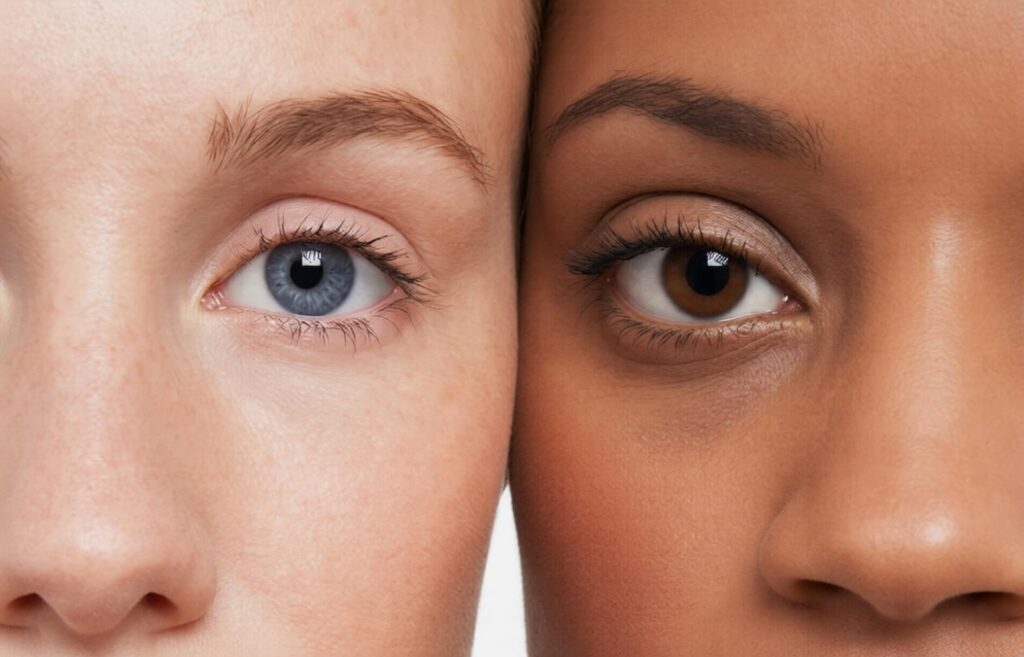
It is important to distinguish under-eye bags from dark circles. Bags are related to volume or swelling. Dark circles, on the other hand, usually refer to a dark, bluish, brown or purple tone beneath the eyes. Both can appear in the same person, but they have different causes.
For example, someone may have pigmented dark circles with hardly any swelling, or marked under-eye bags without dark pigmentation. There may also be a shadow under the eye caused by the relief of the bag itself, which creates the appearance of a dark circle even when the main issue is volume.
Main types of bags under the eyes
There is no single fixed classification, but in aesthetic and medical practice, several types of under-eye bags are usually differentiated according to their main cause. Identifying the origin matters because a fluid-related bag does not respond in the same way as a bag caused by fat or skin laxity.
- Bags caused by fluid retention: they usually appear more noticeably in the morning and improve throughout the day. They may be related to poor sleep, excess salt, alcohol, allergies or hormonal changes.
- Fat-related bags: they occur when orbital fat becomes more visible or shifts towards the lower eyelid. They tend to be more constant and do not disappear simply with rest.
- Bags caused by skin laxity: they appear when the skin and tissues lose firmness. They may be combined with fine lines, sagging and reduced tension in the lower eyelid.
- Genetic bags: they can be visible from a younger age and may be linked to family anatomy, orbital shape or the natural distribution of fat.
- Inflammatory or allergy-related bags: they are often accompanied by itching, redness, tearing or eye irritation.
The types of bags under the eyes can overlap. It is common for someone to have some fluid retention on top of a pre-existing fat-related bag, or for skin laxity to accentuate volume that was previously less visible. That is why assessment should take into account their evolution, symmetry, habits and skin condition.
What causes bags under the eyes?
The causes of under-eye bags can be structural, temporary or related to lifestyle. One of the most common is the natural ageing of the periocular area. As tissues lose firmness, fat can become more visible and the skin may sag slightly, creating a relief beneath the lower eyelid.
Fluid retention is also common. Sleeping poorly, eating too much salt at dinner, drinking alcohol, crying, poor hydration or spending many hours in front of screens can make swelling more visible upon waking. In these cases, the bag is usually softer and more variable.
Allergies may cause eyelid swelling, itching, redness and tearing. Rubbing the eyes worsens inflammation and can irritate the skin even more. However, when the bag is firm, persistent or asymmetrical, other causes should be assessed.
Genetics, sun exposure, smoking, collagen loss, skin quality and weight changes can also play a role. In some people, facial anatomy creates a marked transition between the eyelid and cheek, producing a shadow that increases the appearance of tiredness.
When a bag may suggest more than an aesthetic concern
Most under-eye bags are not serious, but there are signs that deserve attention. It is advisable to consult a professional if the swelling appears suddenly, affects only one eye, causes pain, intense redness, visual changes, discharge, fever or difficulty opening the eye.
It should also be assessed if the swelling is persistent and appears together with swelling in other areas of the body, extreme tiredness or general health changes. In these cases, it should not be interpreted only as an aesthetic issue.
Differences between temporary and persistent under-eye bags
Temporary under-eye bags tend to fluctuate. They may be more visible in the morning, after poor sleep, after a salty meal or during allergy episodes. If they improve with rest, local cold application, hydration and lifestyle changes, they probably have an important fluid retention or mild inflammatory component.
Persistent bags, on the other hand, remain more stable. They do not change much even when the person sleeps well and are often more closely related to orbital fat, skin laxity or genetic factors. In these cases, creams may improve hydration and skin texture, but they do not always reduce volume significantly.
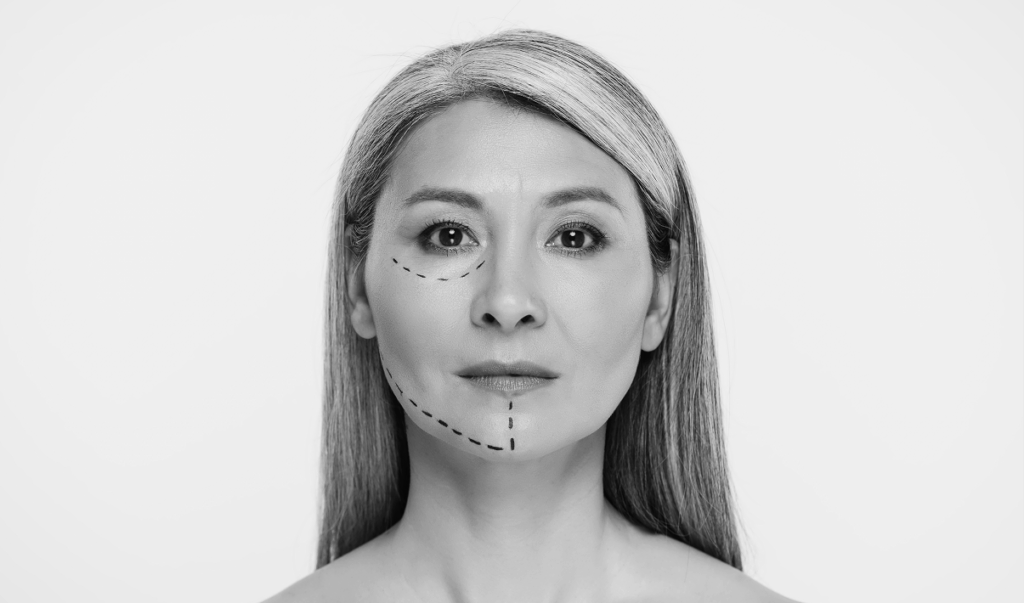
When the bulge is combined with facial laxity or loss of definition in the midface, it may be analysed as part of a broader facial ageing assessment. In that context, content about Facelift Marbella can help explain how laxity is approached from a wider anatomical perspective.
However, any treatment decision should be individualised. Not all under-eye bags require a medical or surgical solution, and not every treatment is suitable for every type of bag.
How can bags under the eyes be improved?
The way to improve under-eye bags depends on their cause. When fluid is the main factor, simple measures may help, such as getting enough sleep, reducing salt intake, avoiding excess alcohol, staying hydrated, managing allergies if present and applying cold locally for a few minutes. These measures may soften swelling, but their effect is usually limited when there is pronounced fat or laxity.
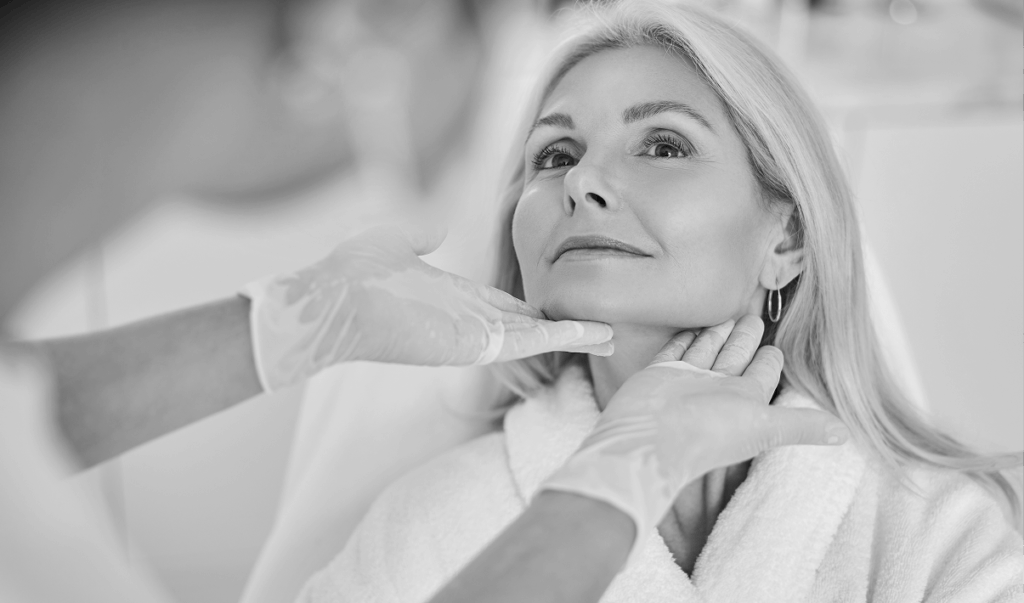
In bags associated with ageing, skin laxity or fat displacement, a more specific assessment may be needed. The professional should analyse the lower eyelid skin, fat position, tissue quality, presence of dark circles, facial symmetry and the relationship between the eyelid and cheek.
Some people search for information about Facelift in Marbella when under-eye bags appear together with facial sagging, although treatment of the lower eyelids may require different techniques depending on the case.
- If the cause is fluid retention: habits, rest, salt control, local cold application and allergy management are usually prioritised.
- If the cause is fat: a lower eyelid assessment may be needed to determine whether the volume is structural.
- If the cause is skin laxity: skin quality and tissue support are analysed.
- If there is marked pigmentation or dark circles: the approach may be different from that used for a bag with volume.
When under-eye bags are part of more global facial ageing, it can be useful to review information about Facial Rejuvenation Marbella to understand how skin, deeper tissues, laxity and facial harmony are assessed together.
Summary: identifying the type of under-eye bag is the first step
The most common types of bags under the eyes are fluid-retention bags, fat-related bags, skin-laxity bags, genetic bags and inflammatory or allergy-related bags. Each one has a different origin and, therefore, does not respond in the same way to the same care measures.
Temporary bags usually vary with rest, diet, hydration and allergies. Persistent bags are often more related to fat, laxity or facial anatomy. That is why, before looking for solutions, it is useful to observe when they appear, whether they change throughout the day, whether they are symmetrical and whether they come with other symptoms.
In summary, understanding the cause makes it possible to choose a more realistic approach. Some under-eye bags may improve with basic habits and skincare, while others need a professional assessment to determine whether the main issue is fluid, fat, skin, pigmentation or facial structure.