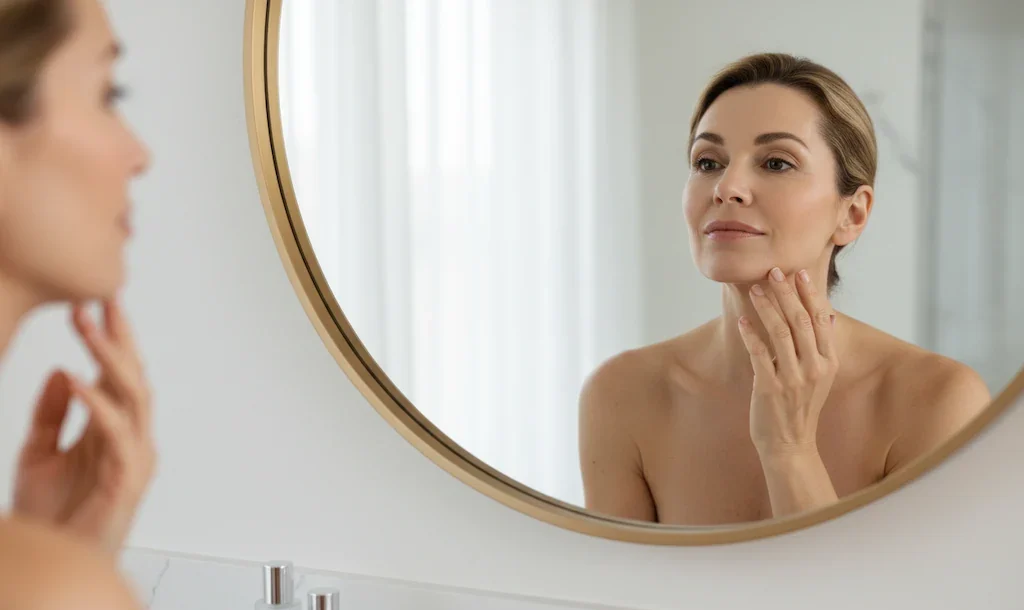
The facial aging process is a natural phenomenon that affects the skin, muscles, and facial structure over time. Although each person ages differently, there are common signs that tend to appear progressively and influence overall appearance.
In this article, you will discover the most common signs of aging, why they appear, and what options exist to prevent or treat them effectively.
What is facial aging and why does it occur?
Facial aging is the result of biological changes that affect the skin and deeper facial tissues. It is not just about wrinkles, but a combination of factors that alter facial structure.
The main causes include:
- Decrease in collagen and elastin
- Loss of facial fat volume
- Effects of gravity
- External factors such as sun exposure and lifestyle
These changes usually begin mildly around the age of 30 and become more noticeable over time.
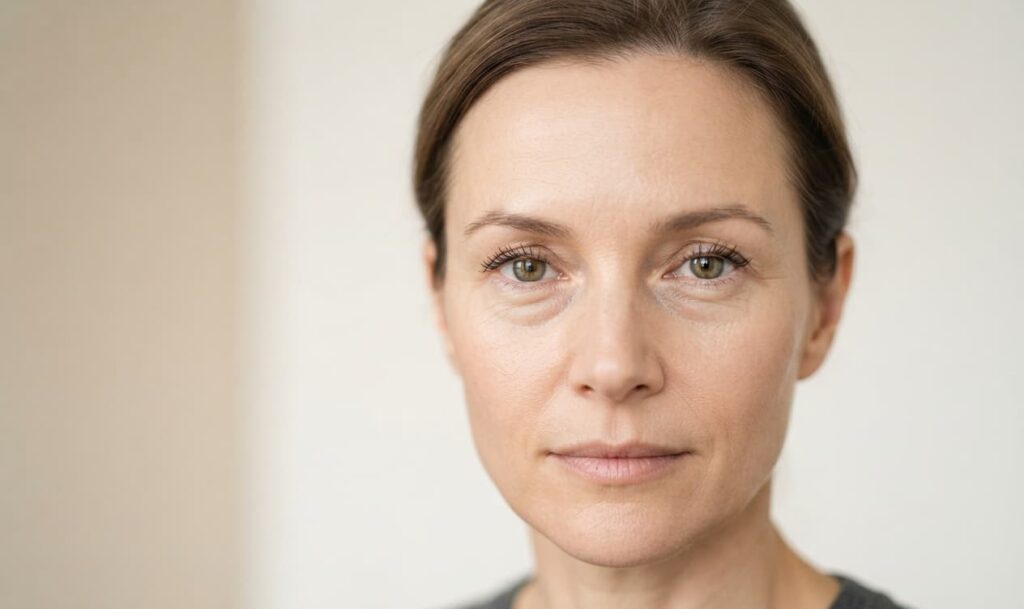
Wrinkles and expression lines
Wrinkles are one of the most visible signs of aging. Their appearance is linked to repeated facial expressions and the loss of skin elasticity.
Most common types
- Forehead and frown lines
- Crow’s feet around the eyes
- Perioral wrinkles (around the mouth)
At first, they are dynamic (only visible when expressing emotions), but over time they become permanent.
Why does the face lose firmness?
Loss of firmness is one of the most noticeable changes in facial aging. The skin gradually loses tension and begins to sag.
This occurs due to reduced collagen and elastin production, as well as tissue relaxation.
It mainly appears in:
- Sagging cheeks
- Loss of definition along the jawline
- Reduced facial contour definition
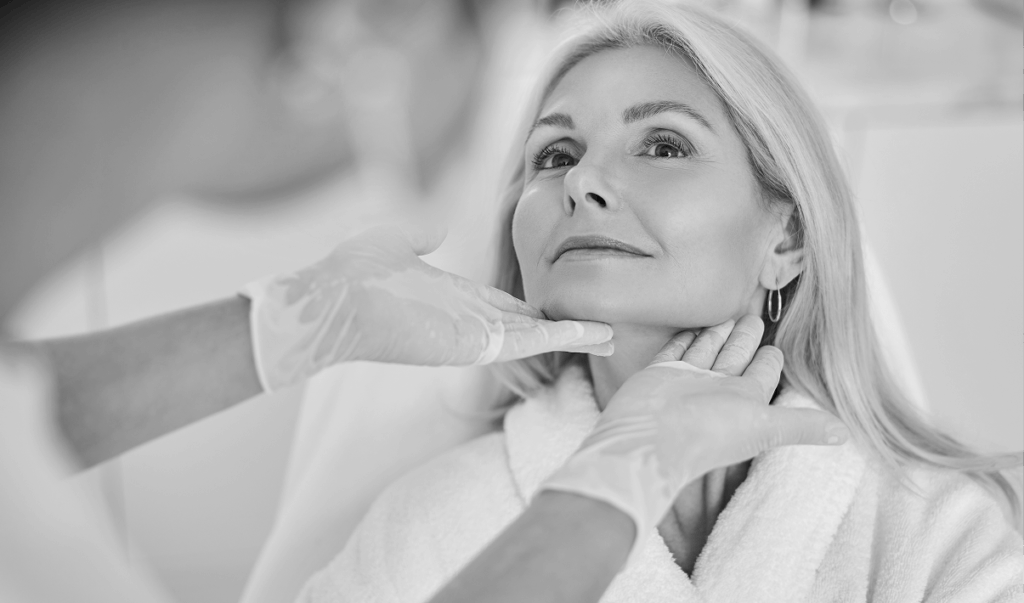
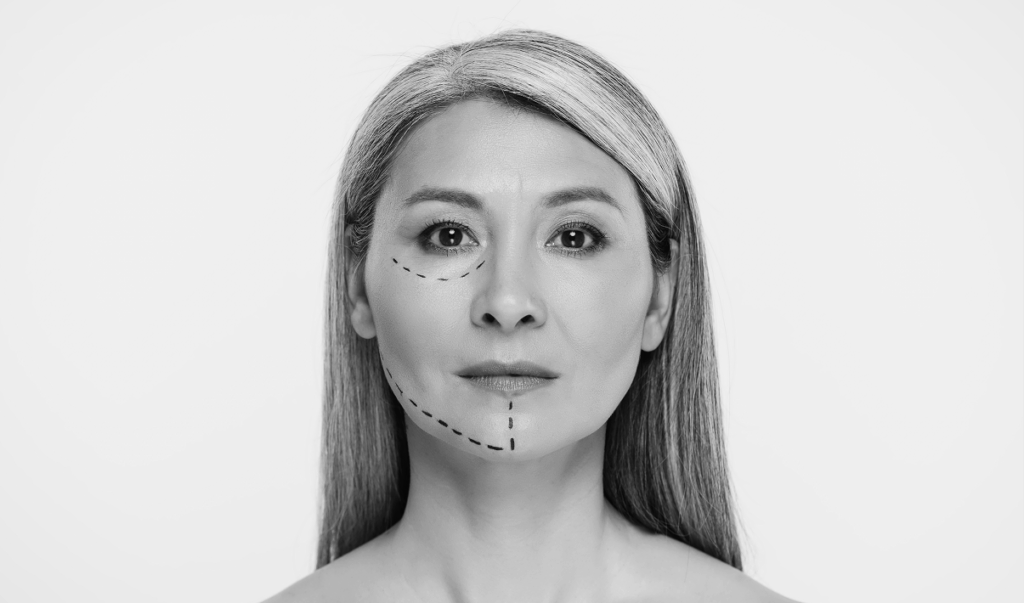
In more advanced cases, treatments such as the Lifting facial Marbella help restore firmness and redefine the facial contour.
Loss of facial volume
Over time, the face loses volume in key areas, leading to a more aged and tired appearance.
Most affected areas
- Cheekbones
- Temples
- Eye contour
This volume loss can result in facial hollowing and more visible wrinkles.
In rejuvenecimiento facial marbella treatments, the goal is to restore this volume in a balanced way to improve facial harmony.
How do spots and uneven skin tone affect the face?
Another common sign of aging is the appearance of spots and uneven skin tone.
These changes are usually linked to accumulated sun exposure and pigmentation alterations.
- Dark or sun spots
- Dull or lackluster skin
- Uneven tone
Although they do not affect facial structure, they significantly influence how old the skin appears.
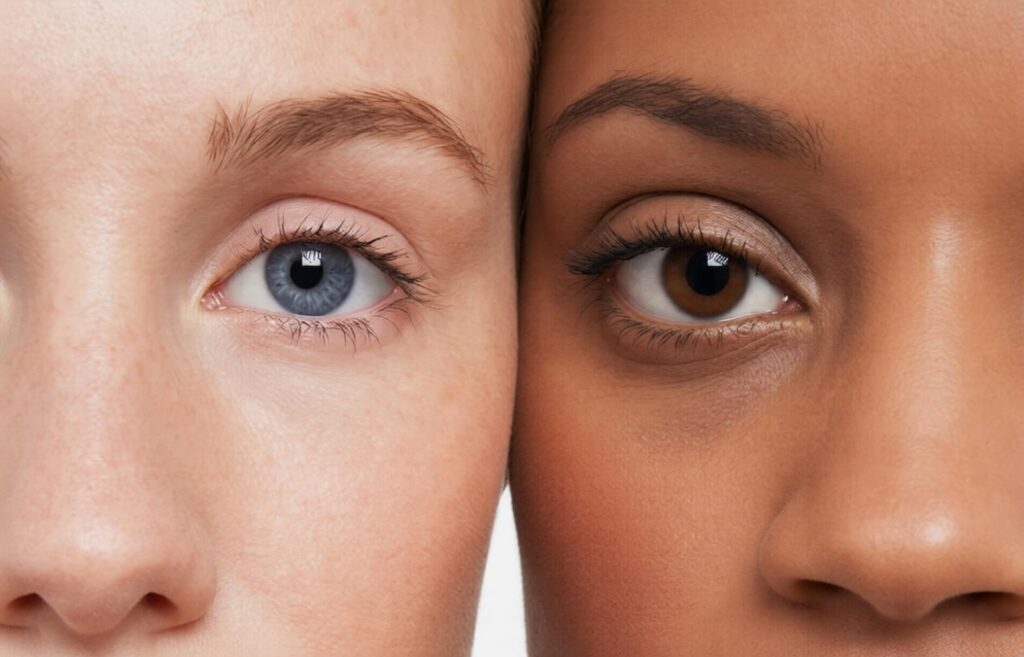
Changes in skin texture and quality
In addition to visible signs, the skin undergoes texture changes that affect its overall appearance.
Over time, it is common to notice:
- Thinner, drier skin
- Reduced elasticity
- Loss of radiance
These changes cause the skin to reflect light less effectively, giving it a less healthy appearance.
To address these factors comprehensively, a specialist at a Clínica estética marbella can assess the skin condition and recommend tailored solutions.
How to prevent and treat facial aging
Although facial aging is inevitable, its effects can be slowed down with proper habits and treatments.
Among the most effective measures are:
- Daily sun protection
- Proper skin hydration
- Balanced diet
- Avoiding smoking and excessive sun exposure
Additionally, there are medical treatments that can significantly improve the signs of aging, adapting to each stage and individual needs.
In summary, the signs of facial aging appear progressively and affect both the skin and facial structure. Identifying them early allows for appropriate solutions and helps maintain a healthier and more balanced appearance over time.
Frequently asked questions about facial aging
At what age does facial aging begin?
It usually begins around the age of 30, although it depends on genetic factors and lifestyle.
Can facial aging be prevented?
It cannot be avoided, but it can be delayed with healthy habits and proper skincare.
What is the first sign of aging?
Expression lines, especially on the forehead and around the eyes.
What affects skin aging the most?
Sun exposure, smoking, lack of hydration, and stress.
Can signs of aging be improved?
Yes, there are treatments and care routines that help reduce them and improve the skin’s appearance.