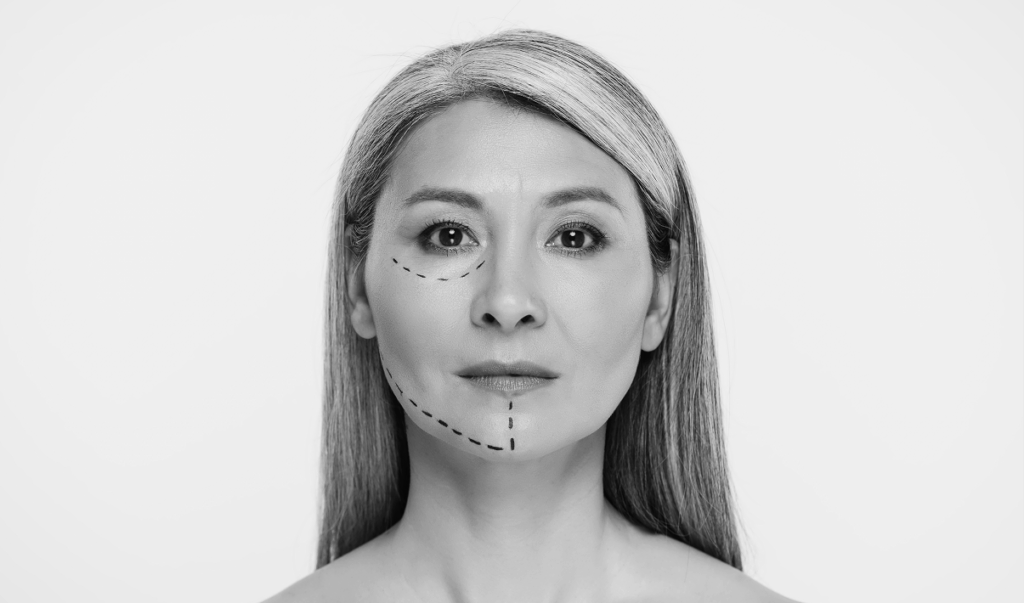
A facelift is one of the best-known procedures in cosmetic surgery for treating visible signs of aging. Many people considering this intervention often ask how long a facelift lasts and how long its results can be maintained.
From a clinical perspective in facial surgery, it is important to understand that the longevity of the results depends on multiple factors: the technique used, skin quality, the patient’s age, and lifestyle habits. In this article, we analyze how long the effects of a facelift usually last, what factors influence its evolution, and how to maintain the results for a longer period of time.
Typical results of a facelift
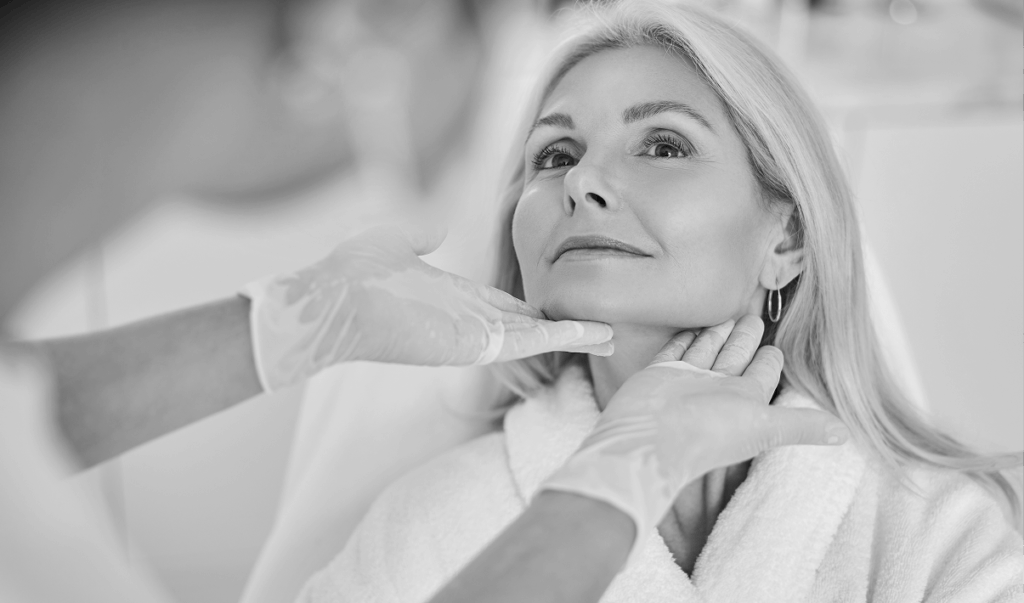
A facelift, also known as a rhytidectomy, is a surgical procedure designed to reposition facial tissues that have lost firmness over time. It does not simply tighten the skin but also addresses deeper facial structures.
In most cases, the goals of the procedure include:
- Reducing sagging in the cheeks and jawline.
- Defining the facial contour.
- Improving deep folds around the mouth.
- Restoring a firmer and more balanced facial appearance.
When the procedure is performed correctly and in well-selected patients, the rejuvenation achieved often corresponds to approximately 8–12 years of a more youthful appearance. This range is indicative and may vary depending on individual characteristics.
How long does a facelift really last?
In general terms, when people ask how long a facelift lasts, results typically remain visible for 8 to 12 years. In some patients the results may last even longer, while in others the natural aging process may cause changes to appear sooner.
It is important to understand that a facelift does not stop the aging process. Instead, it repositions the facial tissues, creating a rejuvenated starting point from which natural aging will continue.
In areas such as the Costa del Sol there is a high demand for facial rejuvenation procedures. At Marbella Facelift, these types of procedures are performed as part of specialized treatments aimed at improving facial firmness and correcting visible signs of aging using advanced facial surgery techniques.
Factors that influence the longevity of a facelift
From clinical experience in facial surgery, it is well known that not all patients maintain their results for the same amount of time. Several factors directly influence how long a facelift lasts.
Age and skin quality
Skin elasticity is one of the most important factors. Patients with more elastic skin and less sun damage generally maintain their results for a longer period.
Lifestyle
Factors such as smoking, excessive sun exposure, or an unbalanced diet can accelerate skin aging and affect the longevity of the results.
Surgical technique used
There are different types of facelift techniques. Procedures that reposition deeper facial layers (such as the superficial musculoaponeurotic system or SMAS) usually offer more stable long-term results.
For this reason, many people researching facial rejuvenation treatments in the area look for information about facelift Marbella to understand the available options and how the procedure works.
Complementary procedures to a facelift
In many cases, a facelift is combined with other procedures to achieve a more balanced and natural result.
The most common complementary treatments include:
- Blepharoplasty (eyelid surgery).
- Skin rejuvenation treatments.
- Aesthetic medicine procedures.
- Neck correction or neck lift.
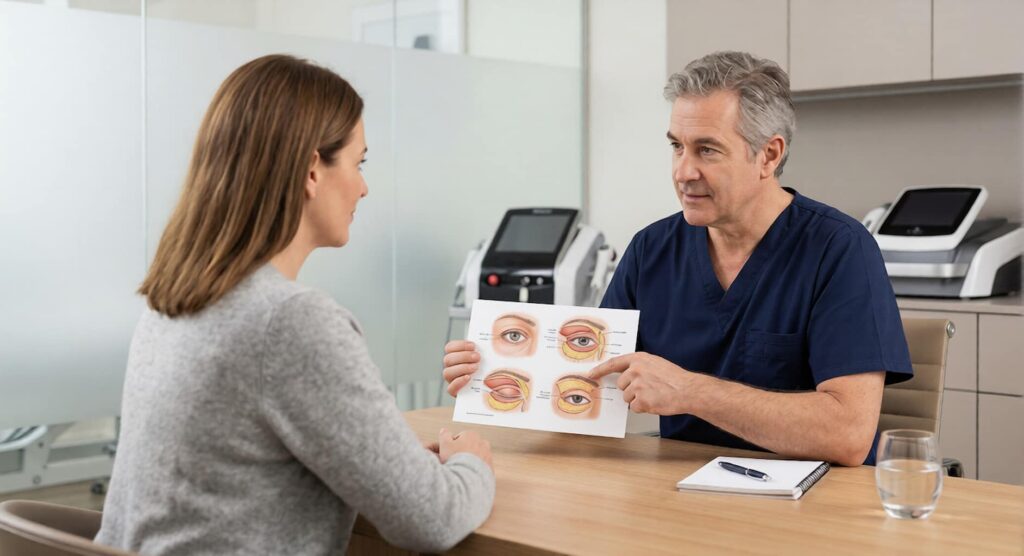
One of the procedures most frequently combined with a facelift is eyelid surgery, known as Blepharoplasty in Marbella, which improves the appearance of the eye area by removing excess skin or under-eye bags.
Combining techniques allows different areas of the face to be treated and helps achieve more harmonious results.
How to maintain facelift results
Although facelift results can last for many years, certain habits help prolong them.
Proper skincare
A skincare routine adapted to the patient’s skin type and age helps preserve skin quality.
Sun protection
Ultraviolet radiation is one of the factors that most accelerates skin aging. Regular use of sunscreen is essential.
Healthy lifestyle habits
- Avoid smoking.
- Maintain a balanced diet.
- Exercise regularly.
- Get adequate sleep.
These habits directly influence skin health and can help maintain facelift results for a longer period of time.
Realistic expectations about facelift results
Understanding how long a facelift lasts also means having realistic expectations. The procedure can provide long-lasting results, but it does not stop the natural aging process of the face.
An evaluation by a specialized facial surgeon is essential to determine whether the patient is a suitable candidate and which type of facelift can provide the best results.
In general, when a facelift is performed using appropriate techniques and by qualified professionals, the results can remain visible for a decade or even longer in certain cases.